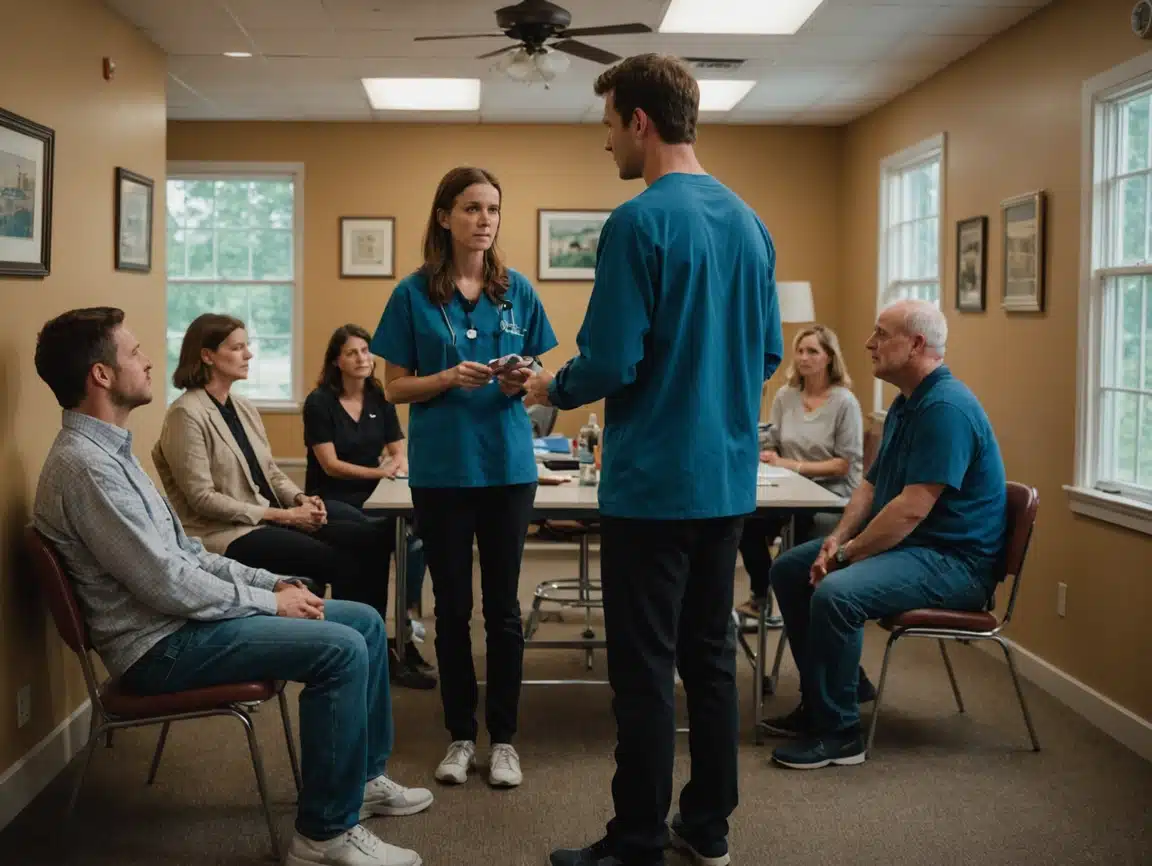
Addiction and mental health challenges often occur together, creating problems that can be difficult to address separately. Someone experiencing anxiety or depression may turn to alcohol or drugs to manage uncomfortable emotions. Over time, substance use can make those symptoms worse, disrupt relationships, and affect physical health. For individuals and families in the Tampa Bay area, finding coordinated addiction and mental health care can make an important difference. Instead of treating substance use as an isolated problem, coordinated care considers the emotional, physical, and personal factors that influence recovery.
Understanding the Connection Between Mental Health and Addiction
Mental health conditions and substance use disorders can influence one another in several ways. A person may begin using substances to cope with emotional distress, while prolonged substance use can contribute to new or worsening mental health symptoms.
For example, someone dealing with unresolved trauma may use alcohol to avoid painful memories. Another person may rely on prescription or recreational drugs to manage stress, sadness, or social anxiety. Although substances can temporarily change how someone feels, they do not resolve the underlying problem.
As substance use continues, additional difficulties may develop, including:
- Increased anxiety, irritability, or mood changes.
- Persistent sadness or emotional instability.
- Sleep disturbances and reduced energy.
- Conflict with family members and friends.
- Difficulty maintaining work or personal responsibilities.
- Financial problems and social isolation.
- Strong cravings and repeated attempts to stop using substances.
Recognizing these connections is an important first step. When addiction and mental health concerns overlap, treatment should consider both rather than focusing exclusively on substance use.
What Does Coordinated Addiction and Mental Health Care Mean?
Coordinated care involves addressing substance use and mental health concerns through a connected treatment approach. Rather than expecting a person to manage separate problems without guidance, professionals consider how these issues interact and develop a plan that reflects the individual’s needs.
This approach is particularly important for people with co-occurring disorders, sometimes called dual diagnosis. A co-occurring disorder refers to the presence of both a mental health condition and a substance use disorder.
Why Treating Both Conditions Matters
Imagine someone who regularly drinks alcohol to manage anxiety. If treatment focuses only on stopping alcohol use, the person may still struggle with the situations and thoughts that contributed to drinking.
Without appropriate anxiety treatment, those unresolved difficulties may continue to affect recovery. On the other hand, treating anxiety without addressing problematic alcohol use may leave another important concern unaddressed.
Coordinated care helps connect these parts of the recovery process. Depending on the person’s circumstances, treatment may include addiction counseling, psychotherapy, psychiatric assessment, medication management when clinically appropriate, and relapse prevention planning.
The goal is to help individuals understand their symptoms, develop healthier coping strategies, and improve their ability to manage everyday challenges.
Recognizing When Professional Support Is Needed
People do not always recognize the relationship between emotional distress and substance use. Some believe their drinking or drug use is manageable because they can still work or meet family responsibilities. Others may recognize anxiety or depression but feel embarrassed about discussing substance use.
However, professional support can be useful before these concerns reach a crisis point.
Signs That Addiction May Be Connected to Mental Health
Consider seeking an assessment if you notice patterns such as:
- Using alcohol or drugs to manage anxiety, sadness, stress, or painful memories.
- Feeling unable to relax or sleep without using a substance.
- Experiencing worsening mood or anxiety after substance use.
- Continuing to use substances despite relationship, health, or financial problems.
- Withdrawing from activities or people you previously enjoyed.
- Repeatedly trying to stop using substances without lasting success.
- Finding that emotional distress increases cravings.
These signs do not establish a diagnosis on their own. A qualified professional can evaluate symptoms, substance use history, medical needs, and other factors to determine what kind of support may be appropriate.
It is also important to seek medical advice before stopping alcohol or certain drugs if physical dependence may be present. Withdrawal can sometimes cause serious complications and require supervised medical care.
Exploring Addiction and Mental Health Treatment Options in Tampa Bay
The right treatment setting depends on the severity of substance use, mental health symptoms, physical health, living circumstances, and available support. Tampa Bay residents may encounter several types of services when researching recovery resources.
Inpatient and Residential Treatment
Inpatient or residential treatment provides a structured environment where individuals can focus on recovery while living at a treatment facility.
This level of care may be appropriate for people who need more intensive support, face significant challenges in their home environment, or require a higher level of supervision based on professional assessment.
Depending on the program, services may include individual counseling, group therapy, behavioral health support, recovery education, relapse prevention, and medical oversight when appropriate.
A structured setting can also provide time away from familiar triggers and routines that may contribute to substance use.
Outpatient Treatment and Counseling
Outpatient care allows individuals to receive treatment while continuing to live at home. Services may include scheduled therapy sessions, group counseling, addiction education, and mental health support.
This option may work for people whose needs can be managed safely outside a residential setting. It can also provide continued support after a more intensive treatment program.
Outpatient care requires consistency. Attending appointments, following treatment recommendations, and maintaining a supportive environment are important parts of the process.
A professional assessment can help determine whether inpatient or outpatient services are appropriate. These options are not interchangeable, and the decision should reflect clinical needs rather than convenience alone.
The Role of Individualized Treatment
No two people experience addiction and mental health difficulties in exactly the same way. One person may struggle with depression and alcohol use, while another may experience anxiety, trauma symptoms, and dependence on drugs.
An effective treatment plan should account for these differences.
What a Personalized Care Plan Should Include
When developing a treatment approach, professionals may consider:
- Current substance use and previous treatment experiences.
- Mental health symptoms and relevant diagnoses.
- Physical health and medication needs.
- Family relationships and home environment.
- Personal responsibilities and recovery goals.
- Previous experiences with counseling or psychiatric care.
- Available social support.
- Personal values and spiritual preferences.
These details help professionals identify suitable services and make adjustments as needs change.
For example, someone may benefit from residential treatment followed by outpatient counseling and ongoing mental health care. Another person may be able to begin with outpatient addiction treatment combined with individual therapy and family support.
Personalized care recognizes that recovery does not follow one fixed schedule.
How Holistic and Faith-Based Support Can Complement Treatment
Clinical addiction and mental health services are essential when someone needs professional treatment. However, additional approaches may help strengthen daily habits, personal motivation, and emotional wellbeing.
Holistic Wellness and Everyday Recovery
Holistic wellness considers how physical health, emotional stability, relationships, and daily routines affect overall wellbeing.
As part of a broader treatment plan, individuals may benefit from:
- Maintaining regular sleep and meal schedules.
- Participating in appropriate physical activity.
- Practicing mindfulness or relaxation techniques.
- Learning healthier ways to manage stress.
- Reconnecting with hobbies and meaningful activities.
- Building supportive relationships.
These practices can help create stability during recovery. However, they should complement professional addiction and mental health treatment rather than replace it.
Faith-Based Recovery and Personal Values
For individuals who value spirituality, faith-based support may provide encouragement, purpose, and a sense of connection. Prayer, spiritual reflection, participation in a faith community, and opportunities for personal growth may become meaningful parts of recovery.
Spiritual support should respect each person’s beliefs and preferences. It should also work alongside appropriate clinical services. People who prefer nonreligious treatment should have access to options that reflect their values.
Family Support and Continuing Care
Addiction and mental health challenges can affect entire families. Loved ones may experience fear, frustration, uncertainty, or exhaustion while trying to support someone through recovery.
Family counseling and education can help improve communication, establish healthy boundaries, and develop a clearer understanding of addiction and mental health concerns. It also gives family members an opportunity to discuss their own needs.
Planning for Long-Term Stability
Coordinated care should not end when an initial treatment program is completed. Returning to everyday responsibilities can introduce stress, relationship difficulties, and exposure to familiar triggers.
A continuing care plan may include outpatient counseling, mental health appointments, peer support groups, family services, and relapse prevention strategies.
It is useful to identify warning signs early. These may include increasing isolation, disrupted sleep, worsening anxiety, persistent sadness, or stronger cravings. Knowing whom to contact and what steps to take can help individuals respond before problems become more difficult to manage.
If substance use resumes or mental health symptoms worsen, reaching out for professional guidance is important. A setback does not erase previous progress. It may indicate that the treatment plan needs to be reviewed or adjusted.
Finding Coordinated Care in the Tampa Bay Area
Searching for addiction recovery and mental health resources can feel overwhelming, particularly when several concerns need attention. A practical starting point is to speak with a qualified professional who can assess the situation and explain available treatment options.
When researching providers in Tampa Bay, consider asking:
- Does the provider address both substance use and mental health concerns?
- Are inpatient, residential, and outpatient options available or accessible through referrals?
- How are treatment plans personalized?
- Can the care team coordinate counseling, psychiatric services, and medication management when appropriate?
- Are family counseling, holistic wellness, or faith-based support options available?
- What continuing care and relapse prevention services are recommended?
- What insurance, payment, and scheduling arrangements should be considered?
Tampa Bay Health Links offers a starting point for Florida residents exploring addiction recovery and mental health resources. Reviewing available information and asking providers direct questions can help individuals and families make more informed decisions.
Take the First Step Toward Coordinated Recovery
When mental health and addiction overlap, treating one concern while ignoring the other can leave important challenges unresolved. Coordinated care offers a more complete approach by considering substance use, emotional wellbeing, physical health, relationships, and individual recovery goals.
Whether you are considering inpatient treatment, outpatient counseling, mental health services, holistic wellness, or faith-based support, the right plan should reflect your circumstances and professional recommendations.
You do not need to wait until every part of life feels out of control before asking for help. Start by discussing your concerns with a qualified professional and exploring the resources available in the Tampa Bay area. With appropriate treatment, consistent support, and a plan that addresses the whole person, meaningful progress toward a healthier and more stable future is possible.