
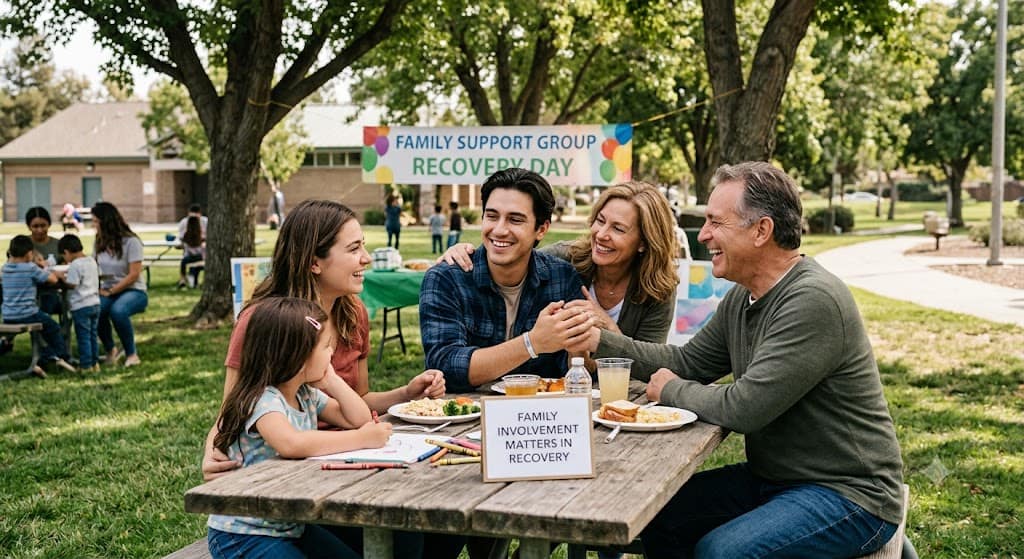
When a loved one is struggling with addiction or mental health challenges, families often find themselves facing uncertainty, fear, and countless questions. Knowing where to begin can feel overwhelming, especially when emotions are running high. Fortunately, Tampa Bay offers a wide range of trusted health resources that help Florida families access compassionate, individualized care for every stage of recovery. From inpatient treatment and outpatient counseling to holistic therapies and faith-based programs, these services are designed to guide individuals and their families toward healing, stability, and long-term wellness.
Understanding the different care options available can help families make informed decisions and provide meaningful support throughout the recovery journey. The right treatment can address immediate concerns while creating a strong foundation for lasting change.
Why Family Involvement Matters in Recovery
Addiction and mental health conditions affect more than the individual receiving treatment. They often impact spouses, children, parents, siblings, and close friends. Relationships may become strained, communication may break down, and uncertainty can leave families feeling isolated.
Recovery is often more successful when families are involved in the healing process. Many Tampa Bay treatment providers recognize this and encourage family participation through counseling, education, and ongoing support. When loved ones better understand addiction and mental health, they are better equipped to encourage healthy recovery while maintaining appropriate boundaries.
Understanding Tampa Bay’s Addiction Recovery Services
No two recovery journeys are the same. Tampa Bay offers multiple levels of care that allow individuals to receive treatment based on their unique needs, recovery goals, and personal circumstances.
Inpatient Treatment Programs
Inpatient treatment provides a structured environment where individuals can fully focus on recovery. Patients receive twenty four hour care, medical supervision, individual counseling, group therapy, and relapse prevention planning while living at the treatment facility.
Residential treatment is often recommended for individuals experiencing severe substance use disorders, repeated relapse, or co-occurring mental health conditions. The structured setting allows individuals to begin recovery away from everyday stressors and environmental triggers.
Outpatient Treatment Programs
Outpatient treatment provides flexibility while maintaining consistent access to professional care. Individuals attend scheduled counseling sessions, therapy groups, and recovery education while continuing to live at home.
This level of care is often appropriate for individuals with stable home environments or those transitioning from inpatient treatment. It allows participants to practice recovery skills in everyday life while remaining connected to experienced clinicians.
Mental Health Care That Supports Whole Person Healing
Mental health treatment is an essential part of long-term recovery. Many people living with substance use disorders also experience anxiety, depression, trauma, or other emotional health concerns that deserve comprehensive care.
Individual Counseling
Licensed therapists work with individuals to identify emotional challenges, develop healthier coping strategies, and create realistic goals for recovery. Therapy provides a confidential environment where people can safely explore difficult experiences while building resilience and confidence.
Group Therapy
Group counseling offers opportunities to connect with others who understand the challenges of recovery. Participants share experiences, encourage one another, and learn practical strategies that support lasting wellness.
Many individuals discover that peer support becomes an important source of motivation throughout their recovery journey.
Family Counseling
Family therapy focuses on rebuilding trust, improving communication, and helping loved ones better understand addiction and mental health conditions. These sessions can strengthen relationships while creating a healthier support system for long-term recovery.
Holistic and Faith-Based Care Options
Many Tampa Bay providers recognize that lasting recovery involves healing the whole person, not simply treating symptoms.
Holistic Wellness Services
Holistic programs complement clinical treatment through services such as mindfulness meditation, yoga, nutrition counseling, physical fitness, stress management, and wellness education.
These practices help individuals improve emotional balance, strengthen physical health, and establish healthy daily routines that support ongoing recovery.
Faith-Based Recovery Programs
For individuals who value spirituality, faith-based treatment provides an additional source of encouragement and hope. These programs combine evidence-based therapies with spiritual guidance, helping individuals find renewed purpose while working toward recovery.
Faith-based care often strengthens resilience by providing supportive communities and opportunities for personal growth.
How Families Can Choose the Right Treatment Program
Selecting the right program begins with understanding each individual’s needs. Families should consider several important factors before making a decision.
Evaluate the Level of Care
Determine whether inpatient or outpatient treatment is the most appropriate starting point based on the severity of symptoms, medical needs, and home environment.
Look for Individualized Treatment
Quality providers create personalized treatment plans that address addiction, mental health, physical wellness, and long-term recovery goals rather than relying on standardized approaches.
Ask About Continuing Care
Recovery continues after formal treatment ends. Programs that offer aftercare planning, relapse prevention education, alumni support, and ongoing counseling help individuals maintain lasting progress.
Supporting a Loved One Throughout Recovery
Families play an important role long after treatment begins. Encouraging open communication, celebrating progress, and remaining patient during setbacks can strengthen recovery outcomes.
It is also important for family members to care for their own emotional well-being. Participating in counseling, educational programs, or support groups can help loved ones develop healthy coping skills while learning how to provide effective encouragement.
Recovery is a shared journey that benefits from compassion, understanding, and consistent support.
Conclusion: Hope Begins with the Right Resources
Florida families do not have to face addiction and mental health challenges alone. Tampa Bay offers a wide range of trusted health resources that include inpatient and outpatient treatment, comprehensive mental health services, holistic wellness programs, and faith-based recovery options. These services are designed to provide compassionate, individualized care that supports healing for both individuals and their families.
If someone you love is struggling, taking the first step toward professional help can change the course of their future. With the right guidance, personalized treatment, and a strong support network, recovery is possible. Every journey begins with a single decision to reach out, and that decision can open the door to lasting hope, renewed relationships, and lifelong wellness.