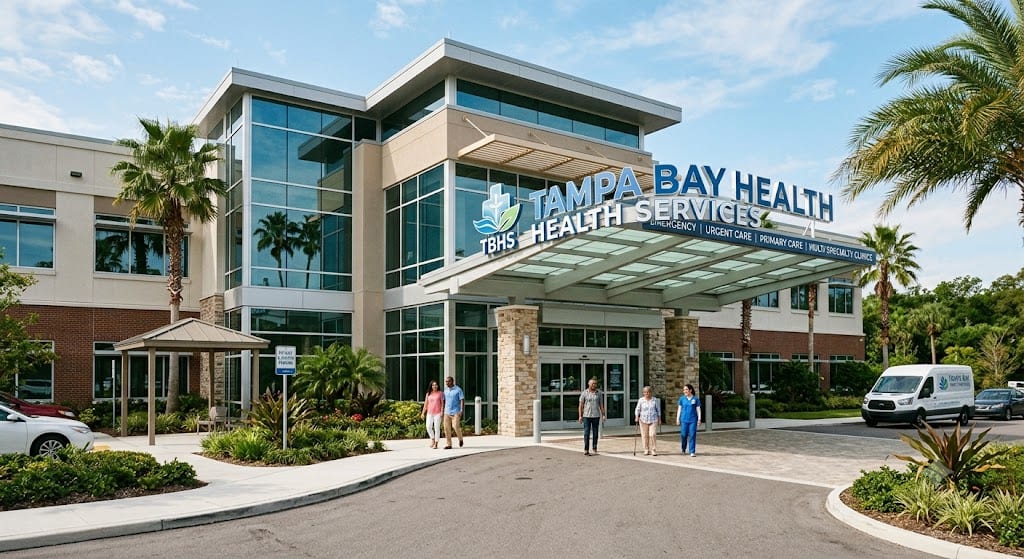
Building a healthier future often begins with one important decision: recognizing when support is needed and knowing where to find it. For Tampa Bay residents facing addiction, mental health concerns, or both, the right resources can provide more than short term relief. They can offer structure, professional guidance, practical coping skills, family support, and a foundation for lasting wellness. Tampa Bay Health Links highlights the range of resources available to Florida residents, including addiction recovery services, mental health treatment, inpatient and outpatient care, holistic wellness, and faith based support.
Seeking help can feel intimidating, particularly when someone is unsure what type of treatment is appropriate. Fortunately, recovery does not have to follow one predetermined path. Effective care considers the individual, their circumstances, their goals, and the level of support they need at each stage of recovery.
Understanding Tampa Bay Addiction Recovery Resources
Addiction can affect nearly every area of life, including physical health, emotional well-being, relationships, work, and family stability. Because the challenges are different for every person, treatment should be flexible enough to address those differences.
Tampa Bay residents may find several levels of addiction recovery support. The appropriate option depends on factors such as substance use history, relapse risk, mental health needs, physical health, and the stability of the home environment.
Inpatient Treatment Provides Structure
Inpatient or residential treatment gives individuals a structured setting where they can focus closely on recovery. Depending on the program and clinical needs, care may include individual counseling, group therapy, behavioral health services, recovery education, relapse prevention, and medical oversight when appropriate.
This type of care may be particularly useful when substance use has become difficult to manage independently, when previous attempts at recovery have resulted in relapse, or when co-occurring mental health concerns require additional support.
Residential treatment can also create space to establish healthier routines away from familiar triggers and daily pressures.
Outpatient Care Offers Flexibility
Outpatient treatment allows individuals to receive professional support while continuing to live at home. Services can include individual therapy, group counseling, family support, and recovery education.
For someone with a stable and supportive living environment, outpatient care may be an appropriate starting point. It can also serve as an important transition after residential treatment.
One major advantage is the opportunity to practice recovery skills while gradually managing work, school, family responsibilities, and everyday stress.
Mental Health Support Is Essential to Recovery
Addiction and mental health are often closely connected. Anxiety, depression, trauma, chronic stress, grief, and other emotional challenges can influence substance use. At the same time, prolonged substance use can make existing mental health concerns more difficult to manage.
For this reason, Tampa Bay residents should look for health resources that recognize the importance of mental wellness throughout addiction recovery.
Individual Therapy Builds Practical Coping Skills
Individual counseling provides a confidential setting to explore emotional challenges, recognize unhealthy patterns, and develop healthier coping strategies.
Depending on a person’s needs, therapy may address:
- Anxiety and depression
- Trauma and difficult experiences
- Stress management
- Emotional regulation
- Relationship challenges
- Grief and major life changes
- Relapse triggers
- Personal growth
The goal is not simply to discuss problems. Effective therapy can help individuals develop practical skills they can use when difficult emotions, cravings, conflict, or stressful situations arise.
Group and Family Support Can Strengthen Recovery
Recovery can become isolating when people feel that nobody understands their experiences. Group counseling can provide connection with peers who have faced similar challenges while encouraging accountability and mutual support.
Family counseling can also be valuable. Addiction affects communication, trust, and family relationships. Professional guidance can help loved ones understand addiction, communicate more effectively, establish appropriate boundaries, and support recovery without assuming responsibility for another person’s choices.
Explore Holistic Approaches to Wellness
Recovery is about more than addressing substance use. Physical health, emotional balance, relationships, daily habits, and personal purpose can all influence long term wellness.
Holistic approaches can complement traditional addiction and mental health treatment by helping individuals develop healthier routines and additional strategies for managing stress.
Healthy Habits Can Support Long Term Recovery
Holistic wellness resources may include mindfulness, nutrition education, physical activity, relaxation techniques, stress management, and other wellness focused practices.
These approaches are not intended to replace appropriate medical or behavioral health treatment. Instead, they can give people additional tools for responding to stress and caring for their overall well-being.
For example, someone who previously relied on substances to manage stress may learn to recognize early warning signs and respond through exercise, relaxation, mindfulness, healthy social connection, or professional support.
Faith Based Support Can Provide Purpose
For people who draw strength from spirituality, faith based recovery can provide another meaningful source of encouragement.
Faith based approaches may combine professional treatment with spiritual guidance centered on hope, purpose, forgiveness, accountability, and personal growth.
Because spirituality is deeply personal, supportive care should respect an individual’s beliefs and values. When faith is meaningful to someone, incorporating it into recovery may help strengthen purpose and resilience.
Choose Individualized Care, Not a One Size Fits All Program
One of the most important considerations when exploring Tampa Bay health resources is personalization.
A person’s treatment plan should take into account their substance use history, mental health, physical health, previous treatment experiences, family circumstances, living environment, personal goals, and preferred approach to care.
Ask the Right Questions
Before selecting a treatment resource, consider asking:
- How is the appropriate level of care determined?
- Does the program address both addiction and mental health?
- How are treatment plans personalized?
- What therapies and counseling services are available?
- Can family members participate in treatment?
- Are holistic wellness services available?
- Is faith based support offered when appropriate?
- What happens after formal treatment ends?
- Is relapse prevention part of the recovery plan?
The answers can help you determine whether a resource is equipped to support the person’s immediate needs as well as their longer term goals.
Make Continuing Care Part of the Plan
Treatment is an important step, but recovery continues after a formal program ends. Continuing care may involve counseling, peer support, relapse prevention planning, family resources, and community connections.
Build a Strong Support Network
A healthy recovery network might include family members, trusted friends, therapists, recovery peers, faith communities, or other supportive individuals.
The goal is not to create the largest possible network. Instead, focus on relationships that encourage healthy decisions, respect boundaries, and provide meaningful support.
Prepare for Difficult Days
Even after significant progress, difficult moments can happen. Stress, cravings, relationship conflict, grief, and unexpected life changes can challenge recovery.
Having a plan before those situations occur can make them easier to manage. That plan might include contacting a counselor, attending a support group, speaking with a trusted person, practicing a healthy coping technique, or seeking additional professional support.
A setback should not automatically be viewed as failure. It can be an opportunity to reassess needs, strengthen support, and make appropriate adjustments.
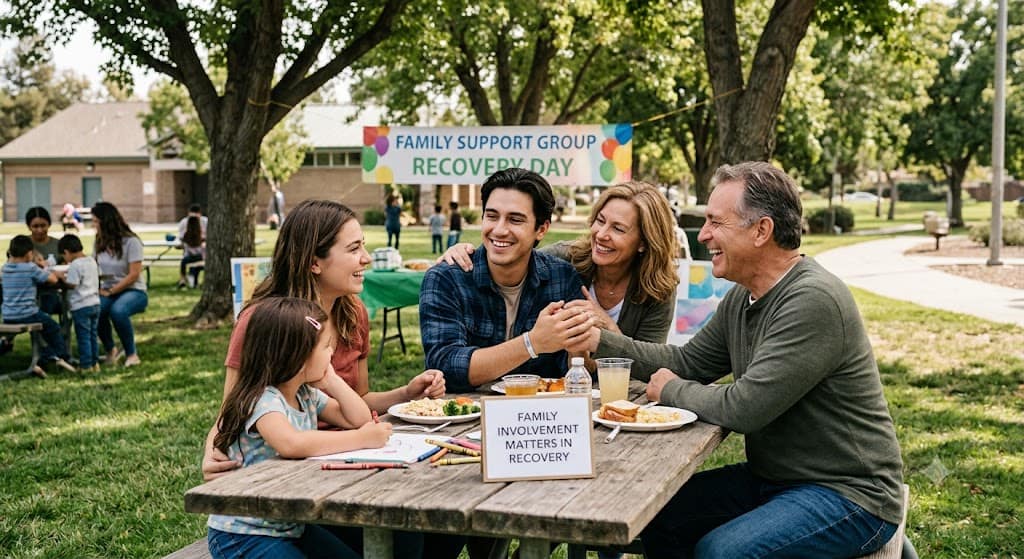
Families Are an Important Part of the Recovery Process
When addiction or mental health concerns affect one person, the entire family may experience the impact. Loved ones can feel worried, frustrated, confused, or emotionally exhausted.
Family education and counseling can help relatives understand addiction and mental health while learning how to communicate effectively and establish healthy boundaries. Families can provide encouragement without trying to control another person’s recovery.
It is equally important for family members to protect their own well-being. Supporting someone through recovery should not mean carrying the entire burden alone.
Build a Healthier Future One Step at a Time
Finding the right Tampa Bay health resources can make the recovery process feel less overwhelming. Inpatient care may provide the structure someone needs to stabilize. Outpatient treatment can offer flexibility while maintaining professional support. Mental health services can address emotional challenges, while holistic and faith based approaches can provide additional resources for people seeking whole person care.
Most importantly, recovery should be individualized. The right support is not simply about finding a program with a long list of services. It is about finding care that recognizes the person behind the diagnosis or substance use and provides practical support for where they are today.
Conclusion: Support Can Be the Beginning of a Healthier Future
A healthier future often starts with a conversation. If you or someone you love is struggling with addiction, mental health concerns, or both, you do not need to have every answer before reaching out for help.
Start by asking questions. Learn about available treatment levels. Discuss mental health needs, family involvement, holistic options, faith based support, and continuing care. A qualified professional can help you understand which resources may be appropriate for your circumstances.
Asking for help is not a sign of weakness. It is a meaningful decision to protect your health, strengthen your relationships, and create a more stable future. With compassionate care, individualized treatment, and ongoing support, recovery can become more than a short term goal. It can become the foundation for lasting wellness and a healthier life.